How the converter works
Type the weight the way you would say it on the bank. 32lb 4oz, 32-04 (the bank shorthand) and 14.6kg all work, and so does a weight with drams on the end, like 10lb 3oz 5dr. You get the same weight in pounds and ounces, kilograms and grams.
It uses the exact sums: a pound is 0.45359237 kilograms, there are 16 ounces to the pound and 16 drams to the ounce. Nothing is rounded until the answer, and the kilograms are shown to two decimal places.
Why the kilograms can look a little different from the record list
The British record fish list gives its kilogram figures to three decimal places, and they do not always match a straight conversion. For the 68lb 1oz mirror carp the list says 30.875 kg, and the exact sum gives 30.873 kg. The pounds and ounces are the record. The kilograms are a courtesy, so it's the pounds and ounces you should quote.
Kilograms to pounds and ounces
If a fish was weighed in kilograms, the converter turns it into pounds and ounces to the nearest ounce, which is how a weight is called and how it prints. 14.6kg comes out at 32lb 3oz. Some scales only show kilograms, so a PB can end up looking nothing like the weight everyone remembers. Here's the quick way back.
Putting the weight on a print
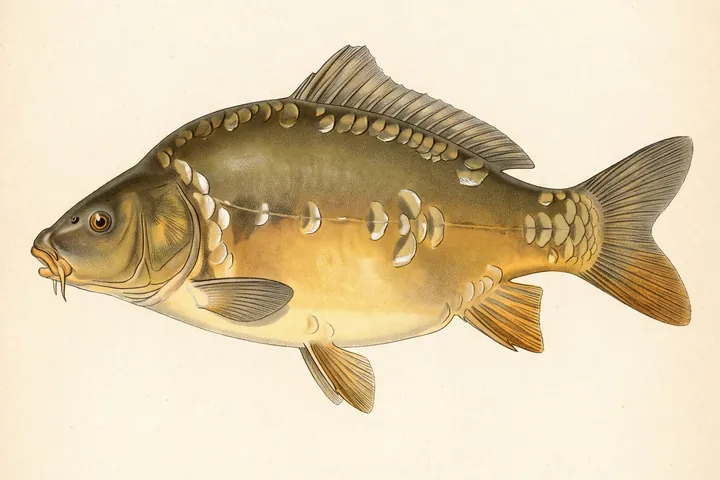
Under the answer, your weight is already set on the PB print: the weight and species in type under a plate of the fish. Pick the species, add who caught it and the date if you like, choose a size and add it to your basket. It is the same print as the PB print page.
Craig Fearn runs Scale & Fin, a UK studio that prints anglers' catch photos and fish art to order. He writes the guides here, and every fact in them links to the body that published it.