How to use it
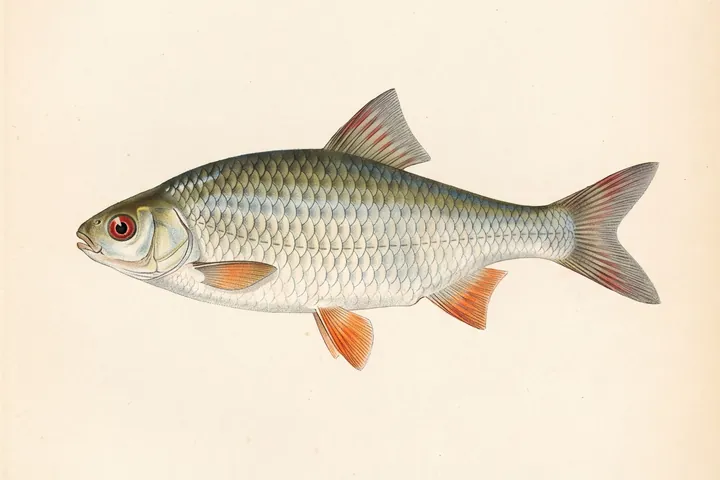
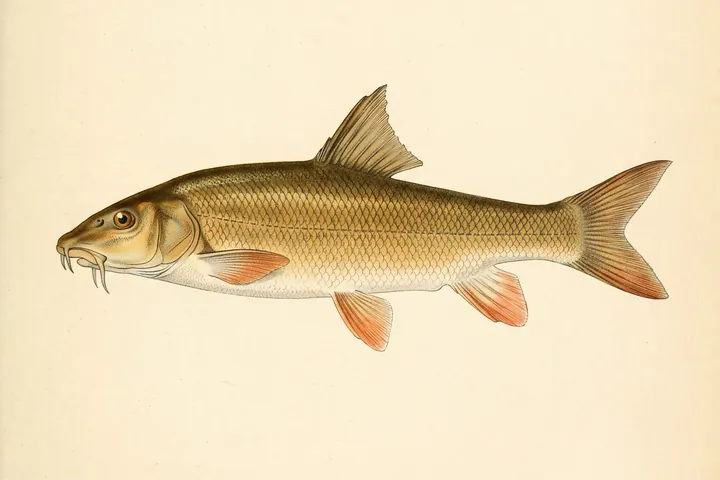
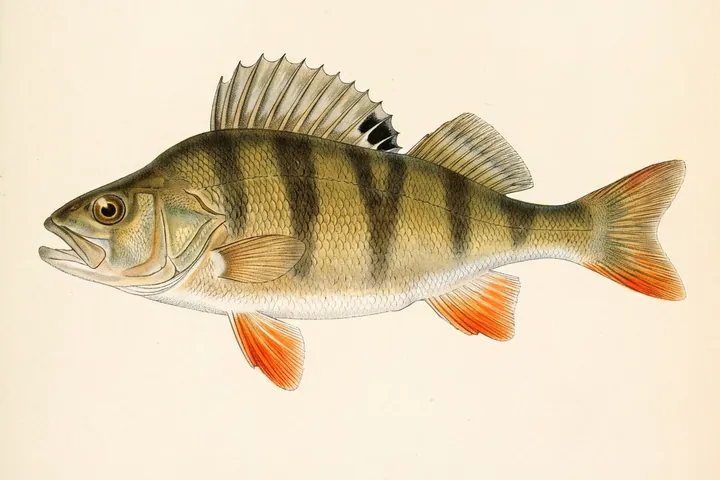
Start where the fish gives most away: whiskers first, eye colour second, fin colour third, then any stripes or spots along the flank. Tick only what you are sure of; two or three marks usually do it. Whiskers cut the list to three fish. A red eye together with red fins leaves a roach on top, while a yellow eye and a mouth tilted upward bring up the rudd. Keep the fish wet and low over the mat while you look, and let it go soon.
How it works
The key is ours. It covers 12 fish anglers often meet in British rivers and lakes, and asks about 14 marks. Every mark we give a fish is quoted from a published page about that species, and the quote and a link to its page are shown with the answer so you can check it. A fish scores one point for each ticked mark it has. A fish drops out if you tick a mark that can't be true of it, like a red eye on a fish with a yellow one. A mark the page doesn't mention costs nothing, because silence isn't a no.
Most marks come from the species pages of two charities, the Canal & River Trust and The Wildlife Trusts, read on 30 October 2026. Where neither page gives a mark, such as the tench's tiny scales, the quote is from the fish's Wikipedia article. The grayling is in because the Canal & River Trust describes its huge, sail-like back fin. For more on each fish, read our UK freshwater fish identification guide.
Craig Fearn runs Scale & Fin, a UK studio that prints anglers' catch photos and fish art to order. He writes the guides here, and every fact in them links to the body that published it.